
Architecture as Communication: The Role of 3D Visualization

Have you ever been in that meeting where you present a brilliant project—technically perfect and innovative, but you feel the client simply “isn’t there”? You see the light entering through the skylight and the texture of exposed concrete; they only see confusing lines on paper. It’s frustrating, I know. The real estate market and architecture have changed. Today, we don’t sell square meters or detailed plans, we sell the future. If your client can’t feel the space before construction begins, you’re losing money and delaying critical decisions. 3D visualization isn’t an “extra” in the budget; it’s the communication bridge that turns your vision into an irresistible desire.
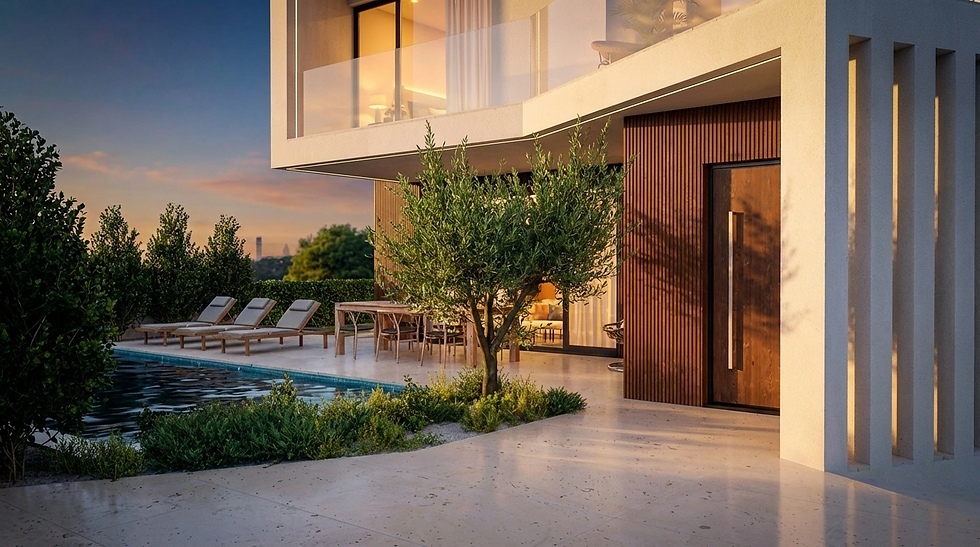
1. From Technical Drawing to Emotional Narrative: Visual Storytelling
Let’s be direct: most of your clients don’t know how to read plans. They don’t have the spatial training you do. When you hand them a technical drawing, you’re asking for a huge cognitive effort. High-quality 3D visualization removes that barrier.
It’s not just about showing where the kitchen is; it’s about showing how the morning coffee light will fall on that marble countertop. It’s about lifestyle. By using 3D as a communication tool, you’re applying pure storytelling. You’re telling the investor or the end buyer: “This is the stage of your life.” When architecture communicates emotion, price resistance fades and confidence in the project skyrockets.
2. Accelerating the “Yes”: The ROI of Visual Clarity
In real estate, time is the scarcest resource. How many design revisions could have been avoided if the client had understood the massing in the very first week? 3D visualization acts as a decision accelerator.
When you present photorealistic images or an immersive experience, you give your client certainty. They feel they know exactly what they’re buying. This reduces anxiety, minimizes late-stage change requests (which cost a fortune during construction), and shortens the sales cycle. A high-quality render isn’t a cost, it’s an investment in efficiency. Projects that communicate well sell faster and at higher values. It’s the game-changer that separates studios that survive from those that dominate the market.

3. Authority and Branding: Your Portfolio Is Your Currency
The luxury market and real estate development sector are ruthless. Your brand image is defined by how you present your work. If your visual communication is mediocre, the market will assume your execution is too.
Using high-quality 3D visualization immediately positions you as an authority. It shows that your studio or agency operates at the technological forefront. Moreover, these images are your best fuel for digital marketing. A striking render generates engagement on Instagram, visibility on LinkedIn, and clicks on your website. You’re building an asset that works for you 24/7, attracting clients who value design and excellence.
4. Anticipating the Future: Anticipation Marketing
The secret of major real estate players, like those we see in markets such as New York or Dubai, is the ability to sell the invisible. 3D visualization allows you to start marketing a development months (or years) before it’s completed.
You can test market reaction, build waiting lists, and secure reservation contracts based solely on visual communication. This is where Hugo Guerra Design comes in as your strategic partner. We don’t just make “pretty pictures”; we create sales tools that communicate the soul of your architecture. We’re talking about building such a strong perception of value that the project becomes an object of desire before it physically exists.
Conclusion: Your Next Step
If your message isn’t reaching the client in a clear, powerful, and emotional way, you’re losing competitiveness. 3D visualization is the vehicle that ensures your vision isn’t lost in translation. By adopting a strong visual strategy, you’re not just showing a building, you’re selling a vision of the future, securing investments, and building a brand of authority.
Practical actions to apply today:
Portfolio Audit: Look at your website now. Do the images communicate luxury and confidence, or do they look outdated? If they don’t sell you, they won’t sell your projects.
Storytelling in Your Next Pitch: In your next project, focus the presentation on the user experience and use 3D to illustrate those specific moments—not just the structure.
Invest in Quality, Not Quantity: It’s better to have three images that look like magazine photography than ten amateur renders that cheapen your brand.
The market doesn’t wait for those who hesitate. It’s time to raise the level of your communication and dominate your segment. Shall we do it?

Comments